
News
-
 Why do we pay in cash on some purchases?
CBS News covered marketing researcher Chris Bechler's findings that people tend to pay in cash when they buy something that's hard to justify.
CBS News -
Working hard for money decreases consumers’ willingness to risk their earnings, study shows
Research from the University of Notre Dame's Christopher Bechler shows that the harder an individual consumer works, the less willing they are to risk those earnings through investments and elsewhere.
Shannon Roddel -
 What’s love (at home) got to do … with your career? A lot, studies show
Management professor Brittany Solomon's research showing that realism and positivity co-exist in romantic partners' perceptions was covered by the Globe and Mail.
The Globe and Mail -
 ‘Dirty’ money? People pay in cash to forget about guilty purchases
Christopher Bechler, a researcher from the University of Notre Dame's Mendoza College of Business, found that people tend to pay in cash when making purchases that are hard to justify.
Study Finds -
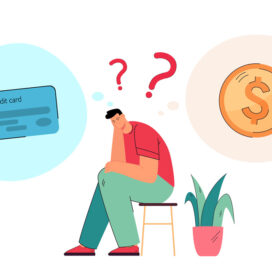 Cash or card? Consumers pay strategically to forget guilty purchases, study shows
Research from from Christopher Bechler, assistant professor of marketing in Notre Dame’s Mendoza College of Business, found that when a purchase is difficult to justify consumers pay with less-trackable methods, like cash.
Shannon Roddel -
 Cash or card? Consumers pay strategically to forget guilty purchases, study shows
"I think a lot of consumers—particularly those who diligently track their card expenses—recognize that they use cash so they don't have to think about certain purchases again," Christopher Bechler, assistant professor of marketing in Notre Dame's Mendoza College of Business, said in a PHYS.ORG article.
PHYS.ORG -
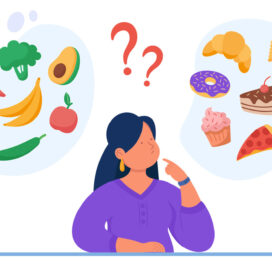 Many consumers make unhealthy choices, but ‘uptrend messaging’ can help drive healthy behavior
Research from the University of Notre Dame's John Costello and Frank Germann found emphasizing the positive in messaging promotes an increase in healthy behaviors.
Shannon Roddel -
 Battling deceptive pricing: How revealing the “true normal Price” can protect consumers
Marketing professor Joel Urbany co-authored an article for the American Marketing Association talking about their research into how competition actually encourages deceptive pricing.
American Marketing Association -
 Should companies use unconventional spellings for products? It isn’t always Klear.
A study by marketing professor John Costello, covered by the Wall Street Journal, found if consumers think it’s a marketing gimmick, it could backfire,
Wall Street Journal -
 What do Lyft and Krispy Kreme have in common? This—and consumers hate it
“Consumers perceive unconventionally spelled names as a persuasion tactic or a marketing gimmick, leading them to view the brand as less sincere,” lead researcher and marketing professor John Costello said in a Fast Company article about the study.
Fast Company